
About Trek Medics
Who We Are
Dedicated to Making Life-Saving Technology Accessible to All
Trek Medics International is a 501c3-registered nongovernmental organization (NGO) dedicated to improving access to emergency response networks in communities across the globe through innovative mobile phone technologies. We do this primarily through our Beacon Dispatch Platform. Every purchase of Beacon, directly supports colleagues around the globe with limited resources. We make our services available to all communities, regardless of race, religion or creed.


Our History
A brief history about how Trek Medics became the company it is today and more about the advancements of our company’s flagship application “Beacon”.
2010
Trek Medics is founded with goal of improving access to emergency services for at-risk and vulnerable populations, working with ambulance providers and EMS agencies in Latin America through training, medical equipment and consulting.
2012
Recognizing that most emergency response personnel have mobile phones, yet work for response agencies that lack mobile-first emergency communications technologies, Trek Medics launches the Beacon prototype software, to allow any response agency to alert, coordinate and track emergency responders using whatever mobile phone they have in their pockets.
2015
Trek Medics pivots to focus exclusively on further development of Beacon emergency dispatch platform, believing that the greatest opportunities for the biggest impact are in helping active response agencies improve their communications and coordination.
2020
In a single day, Beacon is used to dispatch responders to a suicide bombing in East Africa, an opioid overdose in Hartford, a car accident in the Dominican Republic, a domestic assault in Las Vegas, and a pediatric illness in Haiti.
The Experts
Our Dedicated Team

Jason Friesen, MPH, EMT-P

James Millard

Yazan Khalaileh

Josue Diaz-Berrios

Inna Kalashnikova
Melanie Kahn
Jason Friesen, MPH, EMT-P
Founder / Exec. Director


Jason is a paramedic by training, and has been working in emergency management since 2005. He earned his B.A. in English from Westmont College, completed his Paramedic training at Southwestern College in 2008, and received an MPH from Columbia’s Mailman School of Public Health in 2012. He is originally from the NYC-area and has spent many years living and working in emergency response agencies in North America, Central America, the Caribbean, and Africa for a number of recognized international emergency response organizations, including Project HOPE where he was the Haiti Country Director following the 2010 earthquake. Aside from ambulance operations and EMS management, he has also worked as a flight medic and paramedic instructor, a contributing author for EMS publications, and provides consulting for a range of emergency response organizations in communications and systems development.
James Millard
Operations Manager
James was born and raised in Durban on the East coast of South Africa and is passionate about improving healthcare access to the under-served. After serving in both the military and police he went on to spend fifteen years working in remote East and West Africa as a project management specialist, initially in extractive exploration operations and later the non-profit sector managing capacity building projects in conjunction with the Ministries of Health in Tanzania and the Democratic Republic of the Congo. James is also an active volunteer and board member of Empact Northwest, a US-based urban search and rescue unit that deploys to both domestic and international disasters.
Yazan Khalaileh
Lead Engineer
Josue Diaz-Berreos
Manager, User Success
Josue Diaz-Berrios was born and raised on the southeast of the island of Puerto Rico. He’s driven by his passion for improving healthcare. In 2018, he completed with honors a Bachelor of Arts in the Audiovisual Communications program from the Faculty of Communication at the University of Puerto Rico, Rio Piedras Campus. Three years later he decided to complete a Diploma as an EMT-Paramedic from NUC University Technical Division-IBC Caguas which also was awarded with honors in 2021. He’s joined the Trek Medics team as a Communications Specialist with the same passion to serve and help in the continuous improvement and support of the BEACON platform for all users.
Inna Kalashnikova
Quality Assurance
Inna Kalashnikova.
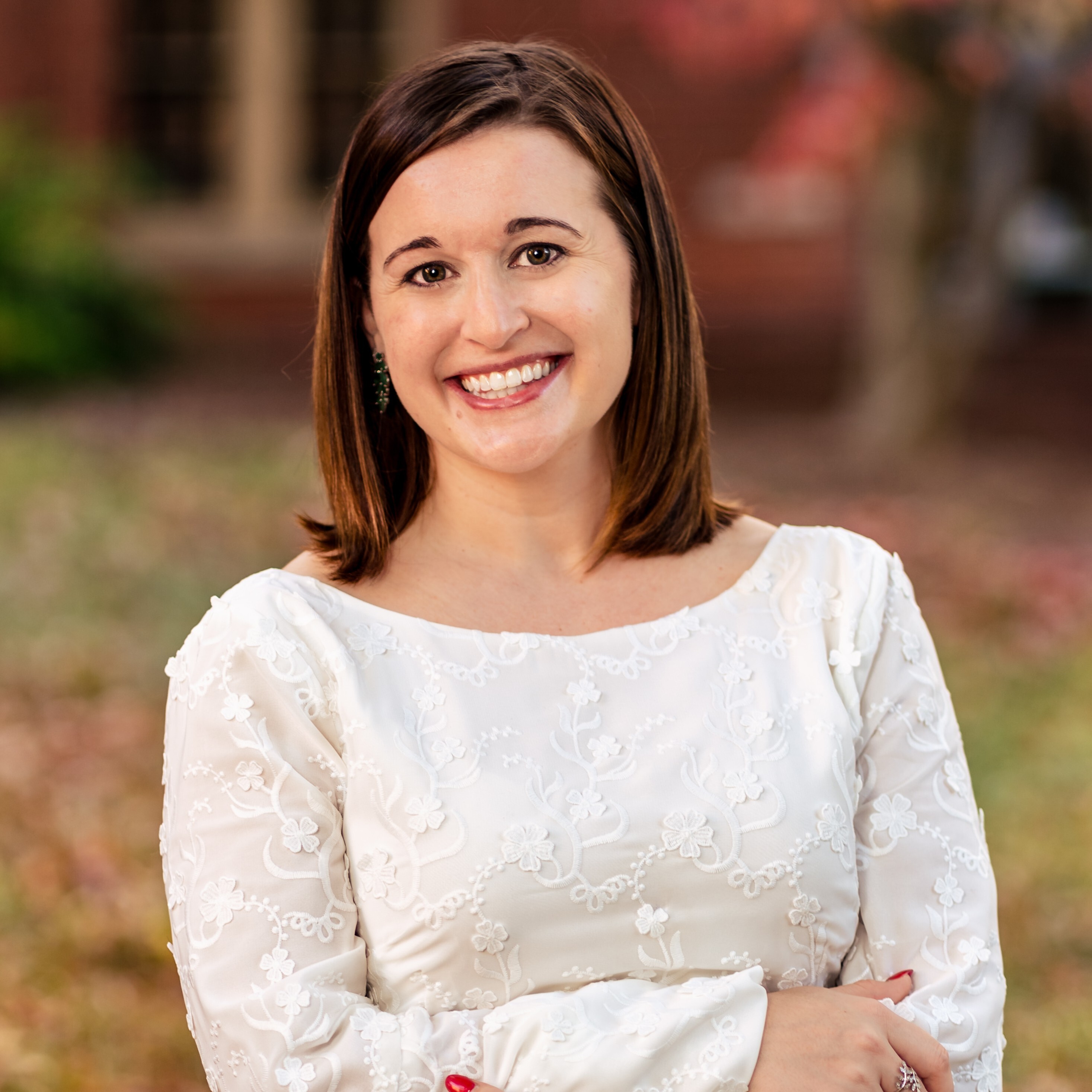
Melanie Kahn
Program Administrator
As Program Administrator at Trek Medics International, Melanie brings a strong background in operations, applied statistics, data management, and Geographic Information Systems, as well as over a decade of experience in education and international development. She graduated summa cum laude with her B.S. in History-Social Sciences Education from Illinois State University in 2012 and earned an ESL/ELL Endorsement from the University of St. Francis in 2013. A proud graduate and GSSP award winner from North Carolina State University, Melanie earned her Masters in International Studies with a concentration in Data Science in 2022. Prior to becoming a part of the Trek Medics team, Melanie managed complex, multimillion-dollar international development initiatives across Asia. Today, she uses her project management and data-driven approach to support Trek Medics’ mission of improving crisis response and emergency service systems through the Beacon Platform.
Board of Directors
Technical Advisors
Jeff Schlegelmilch
Managing Director – Strategy and Operations National Center for Disaster Preparedness
Joel Harms
Price and Revenue Strategy Xilinix
Adeel Khurshid
Senior Director Syniverse Technologies
Our Partners
We are thankful for the partners who support our mission to bring communities, everywhere, access to reliable, life-saving technology.